
Tired of squeezing into a tiny one-car garage? Live in the city where parking spaces cost nearly as much as monthly rent? Or run a commercial property that’s constantly short on parking for tenants and customers? A car parking lift isn’t just a flashy luxury upgrade — it’s a practical, no-fuss fix for one of the most common property headaches these days, whether you need extra space at home or for your business.
A few years back, these car parking lift models were only spotted in auto repair shops or high-end luxury homes. But in 2026, the car parking lift has fully gone mainstream, and for good reason: heavier electric vehicles are taking over garages, urban real estate costs keep skyrocketing, and nobody wants to waste time or money on messy, expensive parking expansions.
The big question on every buyer’s mind before pulling the trigger: Is a car parking lift actually worth the upfront cost, or is it just an unnecessary splurge for regular homeowners and business owners?
This guide cuts straight through sales hype and gives you honest, no-fluff answers about investing in a car parking lift. We’re breaking down real 2026 market prices for both residential car parking lift and commercial car parking lift models, laying out tangible benefits you’ll actually use every day, calculating realistic break-even timelines, and pointing out the hidden costs most people overlook entirely.
By the end, you’ll know exactly if a car parking lift fits your budget, your available space, and your long-term property goals — no guesswork, no vague claims, just clear facts about choosing the right residential car parking lift or commercial car parking lift for your needs.
Table of Contents
What Is a Car Parking Lift, Anyway?
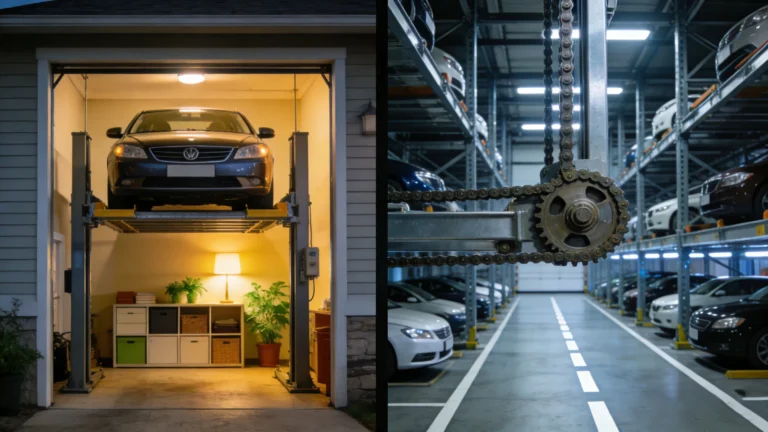
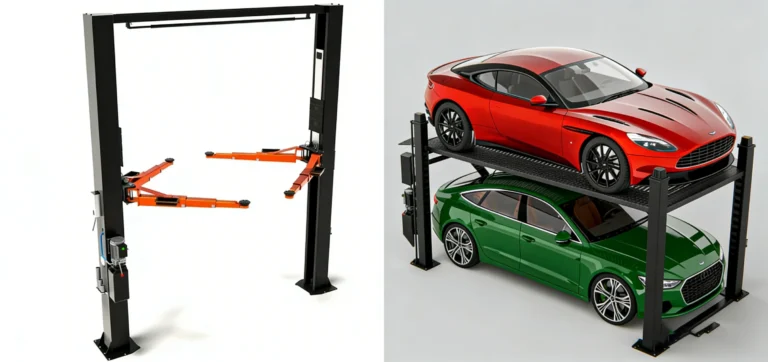
Put simply, a car parking lift (also commonly called a vehicle stacker) is a sturdy mechanical system that lets you stack two or more cars in the exact same ground-level parking spot. This dedicated car parking lift instantly doubles or even triples your parking capacity, no need to build a bigger garage or buy extra land — a total game-changer for tight, limited spaces.
This isn’t the same as a standard repair lift you’d find at a local mechanic. Parking-focused car parking lift units are built specifically for long-term vehicle storage, equipped with heavy-duty safety locks, steady weight distribution, and simple controls that make everyday home or commercial use totally hassle-free.
Most run on either hydraulic or electric power, and the car parking lift comes in two core styles: compact, easy-to-install residential car parking lift models made for home garages, and heavy-duty automated commercial car parking lift options built for busy commercial spaces like apartment buildings, hotels, or car dealerships.
Whether you need a compact car parking lift for personal family cars or a full-scale commercial car parking lift for your business, there’s a tailored residential car parking lift design that fits your exact setup and daily usage needs.
2026 Cost Breakdown: Residential vs. Commercial Lifts
Home-focused residential car parking lift options are designed specifically for garage spaces, with small footprints and enough weight capacity (6,000–10,000 lbs) to fit sedans, SUVs, and modern electric vehicles. Installation for a standard residential car parking lift is straightforward for most standard residential garages.
Residential Parking Lift Costs (For Home Use)
Every standard residential car parking lift is engineered for garage use, with a small footprint and reliable weight capacity (6,000–10,000 lbs) to fit everyday sedans, family SUVs, and heavy modern electric vehicles. Professional installation for a car parking lift is quick and straightforward for most standard home garages.
- Basic 4-Post DIY Lift: $4,500 – $8,000 — Manual operation, no professional install required, perfect for budget-conscious homeowners
- Mid-Tier Scissor Lift (Premium Home): $9,000 – $16,000 — Includes full professional installation, built-in safety features, and full EV compatibility
- Custom/Underground Lift: $18,000 – $35,000 — Made for luxury homes, low-ceiling garages, or discreet hidden parking setups
Total Residential Car Parking Lift Install Cost (2026 Average): $7,000 – $30,000 total, covering the car parking lift unit, delivery, certified professional setup, and minor electrical tweaks for seamless daily operation. Even DIY-friendly residential car parking lift models are worth professional installation for long-term safety and full factory warranty coverage.
Commercial Parking Lift Costs (For Businesses)
A heavy-duty commercial car parking lift is built for constant, heavy daily use — ideal for apartment complexes, hotels, office buildings, and car dealerships. Every commercial car parking lift features reinforced steel frames, higher weight limits, and often automated controls to handle high volumes of traffic efficiently.
- Semi-Automated Stacker (Small Business): $20,000 – $45,000 per unit
- Fully Automated Commercial System: $50,000 – $150,000+ — Final price depends on how many parking spots you need to add
- Installation & Site Prep: 15–25% of the total lift cost — Covers foundation work, electrical wiring, and mandatory safety certifications
Real Benefits You’ll Actually Notice (Not Just Marketing Talk)
A car parking lift isn’t just about adding more parking spots — this versatile system brings real, daily value that adds up quickly over time. These are the practical benefits of a car parking lift you’ll actually use, not empty marketing jargon.
1. Double (Or Triple) Your Parking Space Instantly
This is the biggest perk of owning a car parking lift by far: no more fighting over a single parking spot, no more circling the block looking for street space. A residential car parking lift lets you stack two cars in the same footprint, while a commercial car parking lift skips the costly, messy hassle of expanding garages or parking lots entirely.
For city homeowners with tiny garages, a residential car parking lift is a lifesaver, and for commercial property owners with limited land, a commercial car parking lift is a simple, immediate solution that maximizes every inch of available space.
2. Boost Your Property Value
2026 real estate data doesn’t lie: properties with dedicated, efficient parking solutions sell or rent for 10–20% more in dense urban markets.
A residential car parking lift reads as a premium upgrade to potential home buyers, while a commercial car parking lift lets you charge higher rent for secure, covered parking spots — both types of car parking lift boost resale value and monthly cash flow significantly.
3. Keep Your Cars Safer From Damage & Theft
Elevated parked cars are far less likely to get scratched, dented, broken into, or vandalized. This is especially crucial if you own a classic car, luxury vehicle, or expensive electric car you want to keep protected.
Unlike street parking or open lots, a car parking lift keeps your vehicle elevated, enclosed, and fully secure, whether you’re using a compact residential car parking lift at home or a heavy-duty commercial car parking lift for business use.
4. Save Big Money vs. Building New Parking
Building a new garage or parking addition costs $50–$125 per square foot in 2026 — a massive, unaffordable expense for most homeowners and small business owners.
A car parking lift costs a tiny fraction of new construction, gets the job done in days instead of weeks, and avoids construction delays, permit headaches, and extra land costs. Commercial developers save millions by choosing a commercial car parking lift over expensive underground garages, and homeowners skip costly expansions with a residential car parking lift.
5. Extra Uses Beyond Just Parking
A residential car parking lift doubles as a convenient workspace for small car repairs, oil changes, or basic maintenance, all while safely storing your vehicles without taking extra garage space.
A commercial car parking lift speeds up valet service, cuts down on on-site traffic congestion, and improves overall customer or tenant satisfaction. Plus, all 2026 car parking lift models are fully built to handle the extra weight of electric vehicles — a must-have feature as EV ownership continues to rise globally.
ROI Timeline: When Will Your Lift Pay for Itself?
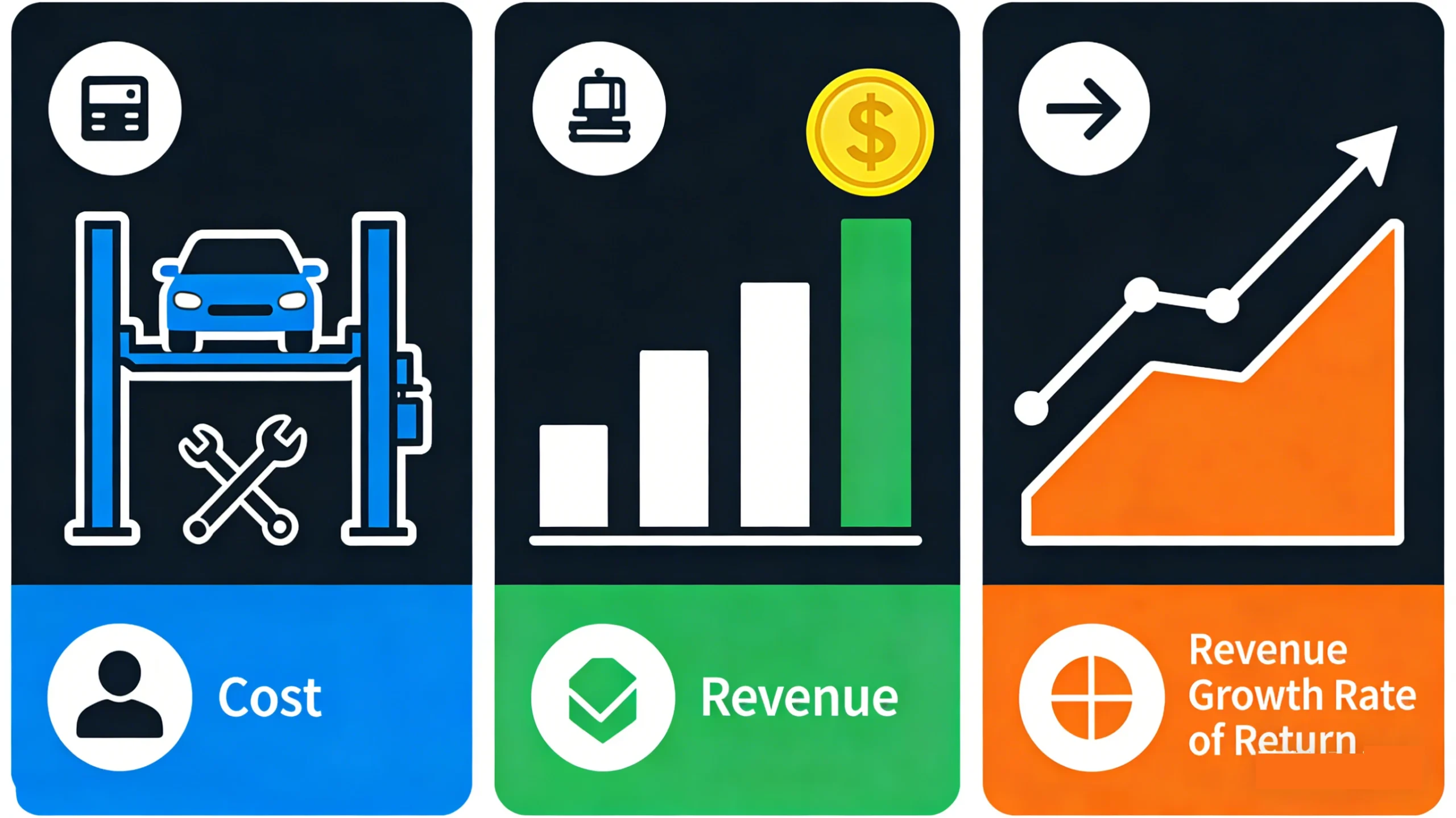
ROI is the metric that really matters when buying a car parking lift, and in 2026’s tight parking and real estate market, most car parking lift units pay for themselves faster than you might expect. The break-even timeline looks a bit different for a residential car parking lift versus a commercial car parking lift.
Residential Lift ROI
Homeowners earn back their residential car parking lift investment through higher property resale value and completely avoiding costly garage expansion projects that often cost $20,000 or more.
The average residential car parking lift breaks even in 5–8 years just from added home value alone. If this car parking lift lets you skip a major garage build, that payback timeline drops to just 2–3 years, making it a incredibly smart home investment.
Commercial Lift ROI
A commercial car parking lift sees much faster returns, thanks to direct monthly parking rental income and massive construction cost savings that traditional parking structures can’t match.
Most commercial car parking lift systems pay for themselves in just 2–4 years, with 10-year ROI topping 200% for apartment buildings, hotels, and auto-related businesses. You can also charge extra for the new paid parking spots your car parking lift creates, adding steady, passive monthly revenue.
Hidden Costs to Plan For
The upfront price tag of a car parking lift isn’t your only expense — don’t get caught off guard by these one-time and ongoing costs for your residential car parking lift or commercial car parking lift. Factor these expenses into your budget early to avoid costly financial surprises after your car parking lift is installed.
- Electrical Upgrades: Most lifts require 220V power; older homes or buildings may need a panel upgrade, costing $500–$2,000
- Yearly Maintenance: $200–$500 per year for residential lifts; $1,000–$3,000 per year for commercial systems to keep everything safe and running smoothly
- Safety Inspections: Commercial lifts require annual professional inspections to meet local building and safety codes
- Ceiling Height Adjustments: Standard lifts need 9–12 ft ceilings; spaces with lower ceilings may need small modifications to fit properly
Who Should Buy a Parking Lift (Ideal Users)
A car parking lift is 100% worth the investment if you fall into one of these groups — a residential car parking lift or commercial car parking lift will solve a real problem and add consistent long-term value to your property:
- Urban homeowners with a single-car garage and multiple cars or electric vehicles
- Anyone with a luxury, classic, or high-value vehicle that needs secure, protected storage
- Commercial property owners (apartments, hotels, offices) struggling with tenant or customer parking shortages
- Car dealerships, repair shops, or detailing businesses needing extra vehicle storage space
- Real estate developers looking to maximize space and boost long-term rental income
Who Should Skip It (It’s Not for Everyone)
A car parking lift isn’t a one-size-fits-all solution, and a residential car parking lift or commercial car parking lift won’t make sense for every property. Save your money if these points apply to your situation:
- You already have plenty of parking space and don’t plan to sell or rent your property anytime soon
- Your garage or parking area has ceilings lower than 8 ft — no standard lift will fit properly
- Your budget is too tight to cover upfront costs and professional installation
- You only own one car and don’t need extra storage or maintenance workspace
Final Verdict: Worth It in 2026?
Yes — for most residential and commercial buyers, a car parking lift is absolutely worth the investment in 2026.
For homeowners, a residential car parking lift adds daily convenience, protects valuable vehicles, and boosts resale value in competitive urban markets. For business owners, a commercial car parking lift is a high-return asset that turns unused space into steady extra revenue and keeps tenants or customers fully satisfied.
With affordable, energy-efficient, EV-friendly car parking lift models widely available in 2026, the long-term benefits of any residential car parking lift or commercial car parking lift easily outweigh the upfront cost for anyone dealing with persistent parking shortages.
A car parking lift isn’t just a luxury purchase — it’s a practical, cost-effective solution that lets you make the absolute most of your limited space, whether you choose a compact residential car parking lift or a heavy-duty commercial car parking lift.
Quick FAQs About Parking Lifts
Q: How long does a parking lift last?
A: With basic annual maintenance, a high-quality, professionally installedcar parking lift lasts 15–25 years — this durable residential car parking lift or commercial car parking lift is a long-term investment, not a short-term fix.
Q: Are they safe for electric vehicles?
A: Absolutely. All 2026 car parking lift models, including every residential car parking lift and commercial car parking lift, are engineered to handle the heavier weight of EVs, with fire-safe components that meet global safety standards.
Q: Do I need a permit for a residential lift?
A: Most areas don’t require a permit for a standardresidential car parking lift, but always double-check local building codes and HOA rules before installing your car parking lift to avoid compliance issues.
car parking liftresidential car parking liftcommercial car parking liftcar parking liftDisclaimer: Pricing and ROI data for a , , and is based on 2026 North American and European market research, supplier reports, and certified installer surveys. Actual costs may vary by location, brand, and site-specific modifications. Always consult a licensed, insured professional before purchasing or installation.