
If you’re fed up with a cramped home garage that can only fit one car, or struggling to maximize parking spots for your commercial property, a residential car parking lift is one of the most practical, cost-effective investments you can make. With dozens of models, sizes and technical specs on the market, it’s easy to feel overwhelmed when picking the right one — especially if you’ve never shopped for a parking system before.
Choosing the wrong lift doesn’t just waste money; it can lead to frustrating installation delays, safety risks, or a unit that simply doesn’t fit your space or daily usage. This straightforward 2026 guide breaks down everything you need to know to pick a reliable residential car parking lift for home or commercial use, with no confusing jargon, just clear, actionable advice to help you avoid costly mistakes.
Table of Contents
Residential vs. Commercial Car Parking Lifts: What’s the Difference?
Before you start browsing models, it’s key to understand that residential and commercial parking lifts are built for completely different lifestyles and business needs — they’re not interchangeable, and picking the wrong type will leave you disappointed.
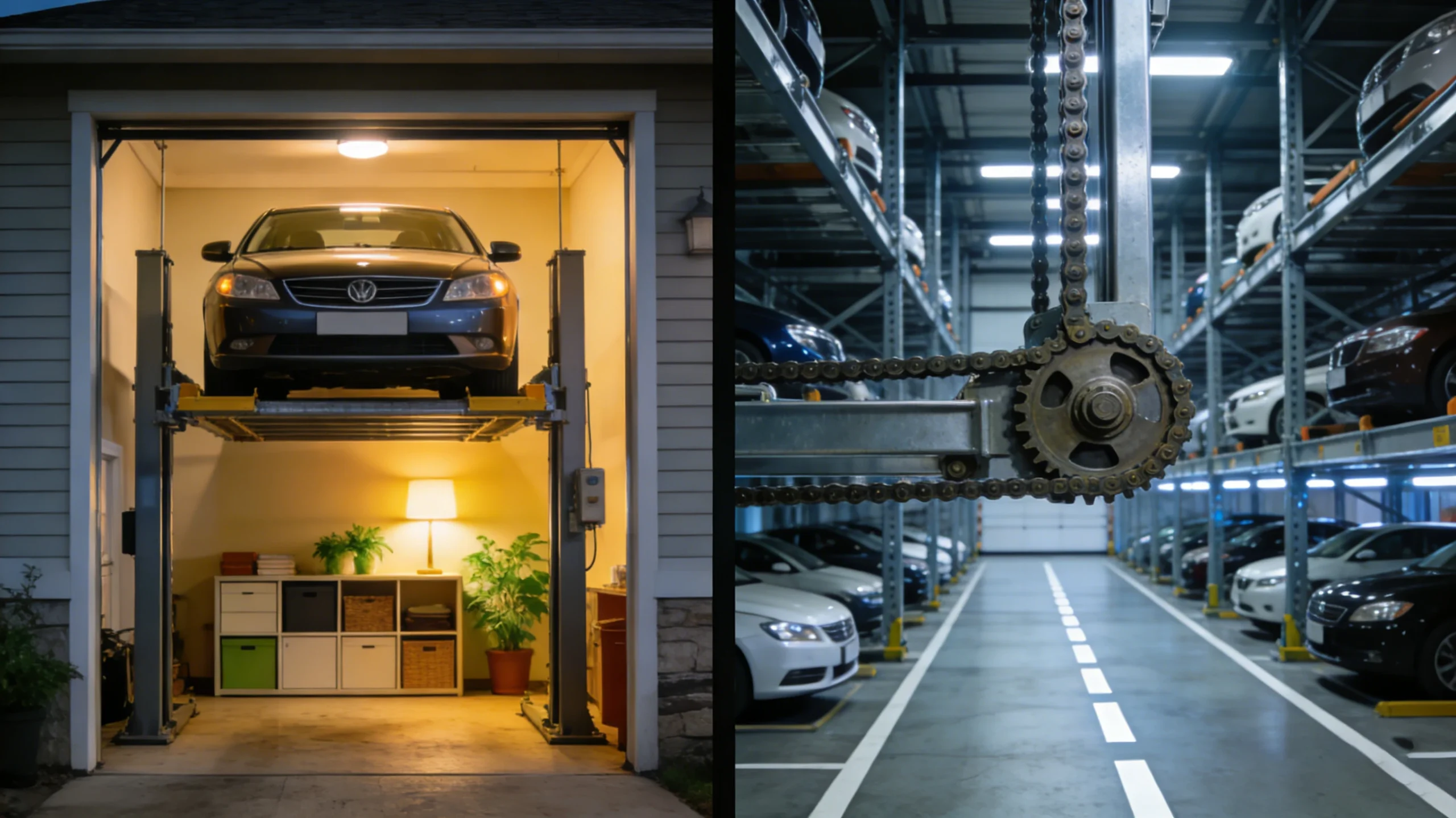
A residential car parking lift is designed exclusively for private home garages, built for occasional, personal use by you and your family. These models prioritize compact design, simple operation and budget-friendly pricing, with easy installation and lightweight builds perfect for everyday sedans, small SUVs and family cars. Their biggest perk? Doubling your garage parking space without taking extra floor space, making them a staple for homeowners with multiple personal vehicles.
A commercial car parking lift is engineered for high-traffic, heavy-use spaces like apartment complexes, hotels, office parks, car dealerships and public parking lots. These are heavy-duty, industrial-grade units built to handle constant daily use by multiple people, with higher weight limits, extra safety features and ultra-durable construction that holds up to years of frequent use, unlike the lighter-duty residential models.
Top Factors to Pick the Perfect Residential Car Parking Lift
You don’t need to be an expert to choose the right lift — just focus on these five core factors, and you’ll find a unit that fits your space, budget and routine perfectly, no guesswork required. Whether you’re shopping for personal home use or light commercial applications, these rules apply to every qualityresidential car parking lift.
1. Available Space & Layout
Start with simple, accurate measurements: total floor space, ceiling height and clear vehicle access paths. These numbers will instantly narrow down your options. Home garages need slim, compact residential car parking lift models to fit tight, narrow spaces, while commercial lots can accommodate larger multi-car stacking versions. Always leave extra room for cars to pull in and out smoothly — don’t just measure the lift’s base footprint.
2. Weight Capacity
Weight capacity is non-negotiable for any residential car parking lift, and cutting corners here is a major safety hazard. For standard home use, most residential lifts work for everyday cars and small SUVs, but you’ll need a higher rating if you park full-size trucks, large SUVs or vans. Commercial-focused lifts need even heavier weight limits to handle all vehicle types, from passenger cars to work vehicles. Never exceed the manufacturer’s listed weight limit, no matter the model.
3. Lifting Mechanism
Most parking lifts use either hydraulic or mechanical lifting systems, and each suits different needs for a residential car parking lift. Hydraulic lifts run quietly, lift smoothly and are low-maintenance, making them ideal for home garages and light commercial spaces. Mechanical lifts are ultra-tough, built for constant heavy use, and require less long-term upkeep — perfect for busy commercial properties that need the durability of a heavy-duty residential-grade lift.
4. Total Budget (Including Hidden Costs)
Don’t just look at the upfront price tag of the residential car parking lift itself. Your full budget needs to include professional installation, annual maintenance and any small repairs down the line. Standard residential models have a lower initial cost, while commercial-grade residential lifts cost more upfront but offer far better long-term durability and ROI. Steer clear of cheap, uncertified lifts — they seem like a bargain now, but they’re unsafe and will cost a fortune to fix or replace later.
5. Ease of Use
For home use, opt for a residential car parking lift with simple, intuitive controls that every family member can operate without special training. For commercial spaces, choose foolproof, user-friendly controls for staff, tenants or guests, paired with clear safety instructions to prevent user error and keep everyone safe, even with frequent, varied use.
Best Residential Car Parking Lifts for Home Garages
Homeowners typically need a parking lift that’s space-efficient, easy to use and fits standard garage dimensions. These three styles are the most popular, reliable picks for residential use, all falling under the residential car parking lift category:
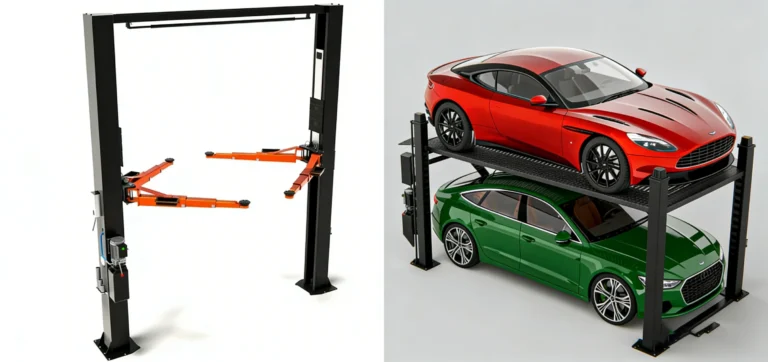
A 2 post residential car parking lift is ideal for small, narrow garages, with a minimal footprint and steady performance for everyday vehicles. A 4 post residential car parking lift offers unbeatable stability for larger family cars and SUVs, with a convenient drive-on design that needs no manual adjustments. Scissor lifts are the top choice for garages with low ceilings, as they stack cars vertically without needing extra overhead clearance, a perfect compact residential parking solution.
Best Car Parking Lifts for Commercial Spaces
Commercial properties need a heavy-duty parking lift that maximizes parking density and withstands constant daily use, often paired with residential car parking lift options for mixed-use properties. These top models cater to different business needs:
Multi-level stack lifts are perfect for apartments and hotels, doubling or even tripling parking capacity in small lots. Heavy-duty 4 post commercial lifts work great for car dealerships and long-term vehicle storage facilities. Automated hydraulic lifts are a premium option for high-end office buildings, offering hassle-free, hands-off parking for tenants and guests.
Space & Installation Rules You Need to Know
Proper installation is the difference between a safe, long-lasting residential car parking lift and a faulty, dangerous one. Residential installations usually need minimal foundation work, but you must have a flat, reinforced concrete floor that can support the unit’s weight. Commercial lifts require professional site preparation, reinforced flooring and full compliance with local building codes and regulations.
Most parking lifts need 8 to 12 feet of ceiling height to operate safely, so double-check your vertical space before buying. You’ll also need to meet electrical requirements and secure any local permits — always hire a licensed, experienced installer to ensure everything is up to code and runs smoothly for years, whether it’s a residential or commercial setup.
Safety Features & Certifications to Never Skip
Safety should be your top priority, whether you’re buying a residential car parking lift for home or a heavy-duty model for commercial use. Always look for internationally recognized safety certifications, automatic mechanical locking systems, emergency stop buttons and overload protection. These features prevent accidents and protect both your vehicles and anyone using the lift.
For residential lifts, stable lifting arms and non-slip platforms keep your family and cars safe. Commercial lifts need extra safety perks: clear user signage, backup power for outages and scheduled maintenance plans to maintain safe operation with heavy daily use.
Quick Buying Checklist
- Measure floor space, ceiling height and vehicle access paths before shopping for any residential car parking lift
- Confirm weight capacity matches the total weight of all vehicles you plan to park
- Choose a lift specifically built for residential or commercial use, not a generic cheap model
- Verify official safety certifications and core safety features are included
- Budget for the lift, professional installation and annual maintenance
- Work with a reputable supplier for installation and reliable after-sales support
Final Thoughts
Choosing the right residential car parking lift all comes down to matching the unit to your real needs, not just picking the cheapest or most stylish option. Take a few minutes to measure your space, consider how often you’ll use the lift, and prioritize safety and quality, and you’ll get a durable solution that solves your parking headaches for years.
Whether you need a compact lift for your home garage or a heavy-duty system for mixed-use commercial property, a quality parking lift eliminates parking frustration, maximizes usable space and adds tangible value to your property. Always put safety and durability ahead of a low upfront cost — this is an investment that pays off every single day.